Introduction
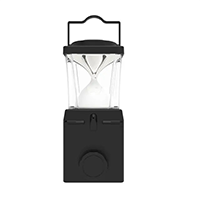
Owning a Salt Water Lamp is a unique experience that combines sustainable technology with functional lighting. Unlike traditional battery-powered lanterns, these innovative devices rely on a chemical reaction between saltwater and a magnesium anode to generate electricity. However, to truly enjoy the benefits of this eco-friendly light source, you must understand its longevity and care requirements.
This guide focuses on the "Complete Care" aspect. We will explore how to maximize the lifespan of your unit, maintain the electrodes, and ensure it remains a reliable tool for emergencies or outdoor adventures. Whether you use a Portable model for camping or a Large version for modern decor, proper maintenance is the secret to a high-performing light. Let's dive into the expert insights that will keep your lamp glowing for years.
Understanding the Core Lifespan of a Salt Water Lamp
The total operational life of a Salt Water Lamp isn't infinite. It primarily depends on the "consumable" parts within the unit—specifically the magnesium anode rod. In a Heavy duty emergency lamp, the body might last a decade, but the power-generating components require periodic replacement.
The Magnesium Anode Factor
Most high-quality lamps offer an anode lifespan of roughly 100 to 150 hours of continuous lighting. After this period, the magnesium rod becomes thin and brittle because it has surrendered its electrons to create light. If you notice the brightness fading even with fresh salt water, it is time to swap the rod. For those using the lamp as modern decor, keeping spare rods on hand ensures you are never left in the dark.
Housing and LED Longevity
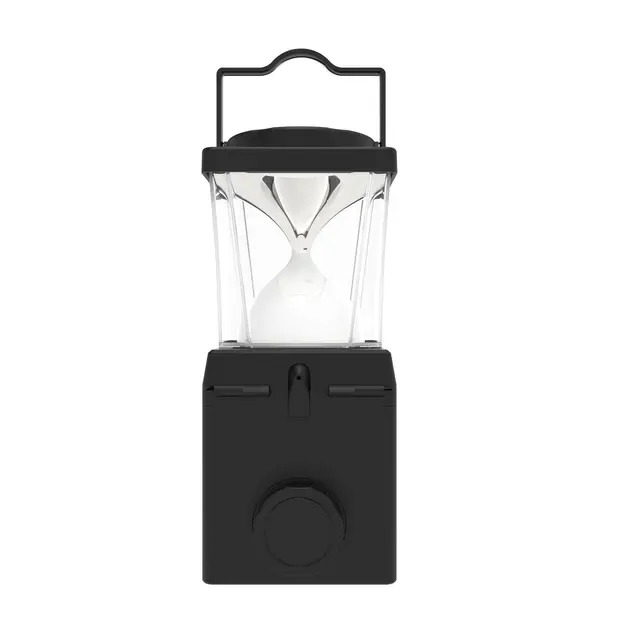
The exterior of a Waterproof Salt Water Lamp is usually built from rugged ABS or polycarbonate. These materials are chosen for their resistance to salt corrosion. The LED bulbs themselves are rated for 50,000 hours. Consequently, the "lifespan" of the lamp usually refers to the internal mechanical integrity and the availability of replacement electrodes rather than the light source itself.
Daily Maintenance: After-Use Cleaning Protocols
Salt is inherently corrosive. If you leave a Salt Water Lamp sitting with brine inside for weeks, you risk damaging the internal contacts. Expert care requires a disciplined cleaning routine after every use to prevent the buildup of "salt creep" and oxidation.
Flushing the Internal Chamber
Once you finish using your Portable light, pour out the used salt water. Rinse the internal reservoir with clean, fresh water at least three times. This removes residual salinity that could eat away at the plastic or metal connectors. For a Large lamp, ensure you tilt it carefully to drain every drop, as trapped moisture can lead to mold or mineral deposits.
Drying the Electrodes
[Image showing how to dry salt water lamp electrodes]
After rinsing, wipe the electrodes with a soft, dry cloth. Never use abrasive scrubbers. If the magnesium rod has a white, flaky buildup, gently brush it off with a dry toothbrush. Proper drying prevents "dormant corrosion," which is the leading cause of premature failure in emergency lighting equipment.
Optimizing Brightness with the Dimmer Switch
Not every situation requires maximum output. A Salt Water Lamp with dimmer switch allows you to control the rate of the chemical reaction. By dimming the light, you effectively slow down the consumption of the magnesium anode, extending the time between maintenance cycles.
Impact on Energy Consumption
When the light is at 50% brightness, the chemical "burn" is less aggressive. This is ideal for ambient modern decor or as a nightlight in a tent. It reduces the accumulation of magnesium hydroxide waste at the bottom of the tank. Using the switch wisely can add 20% more life to your consumable parts over the long term.
Mechanical Integrity of Switches
Ensure the area around the with dimmer switch interface remains dry. Even if your lamp is Waterproof, salt-crusted fingers can transfer minerals into the gaps of the dial. Over time, this makes the switch gritty or unresponsive. A quick wipe with a damp cloth followed by a dry one keeps the controls smooth and functional.
Deep Cleaning: Removing Magnesium Hydroxide Buildup
As the Salt Water Lamp operates, it produces a milky-white byproduct called magnesium hydroxide. This is a natural result of the power generation process, but it can settle at the bottom of the tank and coat the electrodes, reducing efficiency.
Identifying the Sludge
If your Heavy duty lamp feels heavier or the water looks excessively cloudy after only an hour, the sludge is interfering. This coating acts as an insulator, preventing the salt water from reacting efficiently with the magnesium. You will notice a significant drop in Lumens if this is not addressed.
Step-by-Step Deep Cleaning Guide
Chemical-Free Agitation
Fill the lamp half-full with warm fresh water and a drop of mild dish soap. Shake the unit gently for 30 seconds. The agitation helps loosen the magnesium hydroxide from the corners of the reservoir. For a Portable model, this is usually enough to clear the debris.
Dealing with Stubborn Oxidation
Ifthe coppercathode (the other half ofthe reaction) looks gren or dull,thas oxidized. Use a soluion of vinegar and water (50/50 ratio) and soak the cathode for 10 minutes. This mild acid
dissowes the oxidation without damaging the Waterproof seals. Rinse thoroughly afterward to ensure no vinegar remains, as it could interfere with the next sal-water cycle.
Storage Best Practices for Emergency Readiness
The biggest mistake users make is storing their Salt Water Lamp while it is still "wet." For a device intended for emergency kits, the storage state determines whether it will work five years from now.
Bone-Dry Storage
Before putting your Heavy duty lamp away, leave it disassembled in a well-ventilated area for 48 hours. Ensure the cap is off and the anode is removed. Moisture trapped inside a sealed Portable unit will cause the internal electronics to corrode, even if the exterior is high-grade plastic.
Battery-Free Longevity
Because the Salt Water Lamp does not use traditional lithium batteries, it won't leak acid or lose charge over time. This makes it superior to standard flashlights for long-term storage. Store the salt packets and the lamp in a cool, dry place. We recommend vacuum-sealing the replacement magnesium rods to prevent them from reacting with humidity in the air during storage.
Environmental Factors: Water Quality and Salt Concentration
The "fuel" you put into your Salt Water Lamp directly affects its performance and internal wear. While these lamps are marketed to work with seawater, the purity of the water changes the maintenance frequency.
The Difference Between Table Salt and Sea Water
Table salt (sodium chloride) is pure and creates a very consistent reaction. Seawater contains other minerals like calcium and potassium. While a Large lamp will run on seawater, these extra minerals create more "crust" on the electrodes. If you use seawater regularly, you must double your cleaning frequency to maintain High-quality light output.
Finding the "Sweet Spot" Concentration
Most Portable models require a 3% to 5% salt concentration. Adding too much salt doesn't make the light brighter; it just speeds up the corrosion of the anode without providing extra Lumens. Stick to the manufacturer's provided measuring cup to ensure a Heavy duty performance that doesn't waste your consumable parts.
| Fluid Type | Brightness Level | Maintenance Needs | Best Use Case |
| Distilled + Table Salt | Highest | Low | Modern decor / Indoor use |
| Tap Water + Salt | High | Medium | General Household |
| Seawater | Variable | High | Emergency / Coastal Camping |
| Urine (Emergency) | Low | Very High | Extreme Survival Only |
Troubleshooting Common Lifespan Issues
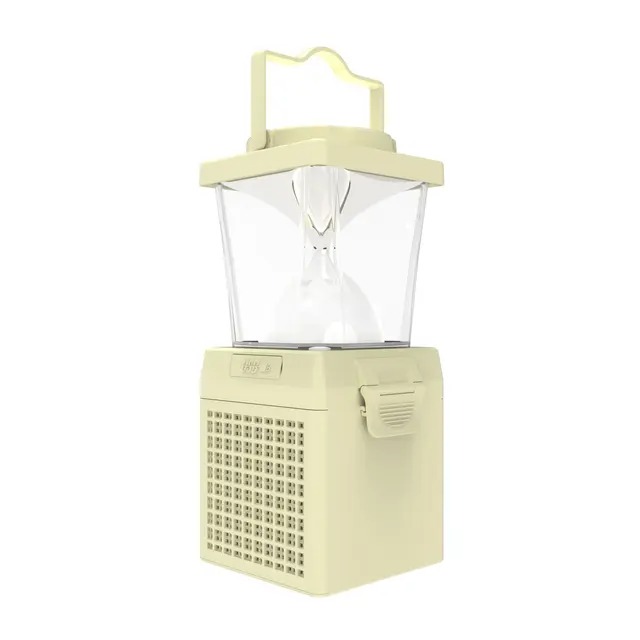
Even with a Heavy duty build, you might encounter technical hiccups. Most issues with a Salt Water Lamp are related to the chemical circuit rather than electrical failure.
Dimming Shortly After Filling
If the light fades after 20 minutes, the salt has likely settled at the bottom. Give the Portable lamp a gentle shake to re-distribute the ions. If this doesn't work, check if the magnesium rod is fully submerged. Sometimes air bubbles get trapped around the rod, breaking the circuit.
Flicker and Unstable Light
Flickering often indicates a loose connection at the top of the anode rod. Salt crystals can build up in the screw threads where the rod attaches to the lamp head. Unscrew the rod, wipe the threads with a damp cloth, and re-tighten it. This ensures a solid metal-to-metal path for the electricity to flow into the with dimmer switch circuitry.
Advanced Durability Features of Modern Salt Lamps
As technology evolves, the Salt Water Lamp has moved from a basic survival tool to a piece of modern decor. Manufacturers are now integrating features that simplify maintenance.
Modular Electrode Cartridges
Newer Large models use "plug-and-play" cartridges. Instead of handling a raw magnesium rod, you simply swap a plastic-encased module. This protects the delicate connection points and ensures the unit remains Waterproof even after many years of use.
Integrated Indicators
Some Heavy duty lamps now include a small LED indicator that tells you when the salt concentration is too low or when the anode is 90% consumed. This takes the guesswork out of maintenance and ensures you never take a dead lamp into the woods. If you are a B2B buyer looking for a Portable solution for a workforce, these smart features drastically reduce user error.
Conclusion
A Salt Water Lamp is a brilliant marriage of chemistry and convenience. By following a strict "rinse and dry" policy and understanding the lifecycle of the magnesium anode, you can ensure your light stays bright for a lifetime of adventures. Whether it serves as a modern decor piece in your living room or a Heavy duty tool in your survival bag, the effort you put into maintenance pays off in reliability. Remember: salt is the fuel, but clean water is the preservative.
FAQ
Q1: How long can salt water stay inside the lamp?
You should never leave brine inside a Portable unit for more than 24 hours after use. Leaving it longer encourages heavy corrosion and can fuse the anode to the mounting point.
Q2: Can I use the lamp if it’s raining?
Yes, most high-quality models are Waterproof. However, ensure the salt-filling port is tightly sealed so that rainwater doesn't dilute the salt concentration and dim the light.
Q3: Is the leftover water toxic?
No, the byproduct is magnesium hydroxide, which is the main ingredient in Milk of Magnesia. However, because it contains concentrated salt, do not pour it directly onto garden plants, as the salt will kill them.
Our Strength and Manufacturing Excellence
I have spent years exploring the intersection of sustainable energy and consumer electronics. At our company, we operate a state-of-the-art manufacturing facility dedicated to the production of high-performance lighting solutions. We aren't just an assembly line; we are a hub of innovation where we test the limits of magnesium-air fuel cell technology. Every Salt Water Lamp that leaves our factory undergoes rigorous quality control to ensure its Waterproof seals and Heavy duty components meet international standards.
Our strength lies in our vertically integrated B2B capabilities. We control the sourcing of high-purity magnesium and the precision molding of our Portable housings. This allows us to offer custom solutions for emergency response teams and retailers worldwide. We understand that in a crisis, a lamp is more than just an object—it is a lifeline. That is why we invest heavily in R&D to increase the lifespan of our electrodes and simplify the maintenance process for the end-user. Partner with us, and you are partnering with a factory that values technical integrity and sustainable brilliance.

 English
 العربية
 Français
 Русский
 Español
 Português
 Deutsch
 italiano
 日本語
日本語 한국어
한국어 Nederlands
 Tiếng Việt
 ไทย
ไทย Polski
 Türkçe
 አማርኛ
አማርኛ ພາສາລາວ
 ភាសាខ្មែរ
 Bahasa Melayu
 ဗမာစာ
ဗမာစာ தமிழ்
தமிழ் Filipino
 Bahasa Indonesia
 magyar
 Română
 Čeština
 Монгол
 қазақ
қазақ Српски
 हिन्दी
 فارسی
فارسی Kiswahili
 Slovenčina
 Slovenščina
 Norsk
Norsk Svenska
 українська
 Ελληνικά
 Suomi
Suomi Հայերեն
 עברית
עברית اردو
اردو Afrikaans
 Gaeilge
 नेपाली
 Aymara
 Беларуская мова
 guarani
 Krio we dɛn kɔl Krio
 Runasimi
 Wikang Tagalog


