Introduction
Camping usually involves a delicate balance between packing light and ensuring you have enough power to survive the night. For decades, we relied on heavy alkaline batteries or lithium power banks that eventually run dry. But what if your light source only required a cup of water and a spoonful of salt? The Salt Water Lamp is revolutionizing outdoor lighting by offering a sustainable, reliable, and incredibly simple alternative to traditional battery-powered lanterns.
In this guide, we explore why swapping your standard gear for a brine-powered solution is the smartest move for your next wilderness trek. We will dive into the science of the magnesium-air fuel cell, its Heavy duty construction, and why this Portable technology is superior for emergency preparedness. Whether you are a casual car camper or a rugged backpacker, understanding how a Salt Water Lamp works will change how you illuminate your campsite forever.
The Science of Brine: How a Salt Water Lamp Generates Light
Understanding the magic behind a Salt Water Lamp starts with basic chemistry. It does not store electricity like a battery; it generates it through a chemical reaction. The device typically uses a magnesium anode and a carbon cathode. When you add salt water, it acts as an electrolyte, allowing electrons to flow and power the LEDs.
Why Brine is Better Than Dry Cells
Traditional batteries lose their charge over time, especially in cold weather. A Salt Water Lamp stays inert until you add the liquid. This means it has an almost infinite shelf life. You can keep it in your camping bin for five years, and it will work instantly the moment you stir in some salt. This makes it more than just a light; it is a Heavy duty survival tool that never leaks or corrodes like old AA batteries.
Reliability in the Wilderness
Most campers worry about their phone or flashlight dying in the middle of a storm. Since salt water is easy to create (or can even be sourced directly from the ocean), you have a renewable power source. It provides a steady, clean glow for dozens of hours per refill. They are designed to be Waterproof, ensuring that even if it rains on your setup, the internal reaction remains protected and functional.
Comparing Portability: Salt vs. Traditional Battery Packs
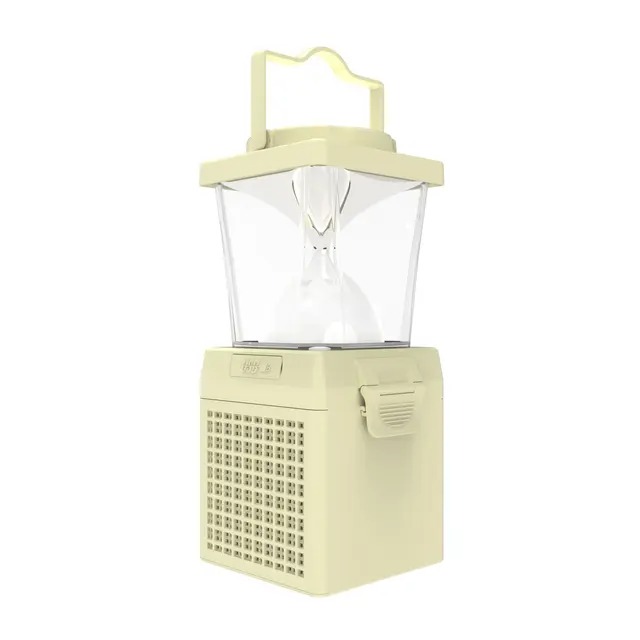
Weight is the enemy of any hiker. Carrying a dozen spare batteries adds significant bulk to a backpack. A Salt Water Lamp, however, is inherently Portable because the "fuel" is something you likely already have or can find.
Weight Distribution and Management
A standard lantern with four "D" batteries can weigh over two pounds. A Portable Salt Water Lamp is often hollow and lightweight when empty. You only add the weight once you reach your campsite and find water. This "carry dry, use wet" philosophy allows you to move faster and further without being weighed down by lead and acid.
Multi-Functional Designs
Modern versions are not just bulky lanterns. Many feature a modern decor aesthetic that looks just as good on a patio as it does in a tent. They often include a USB port to charge small devices, using the same brine reaction to provide emergency power. This dual-purpose nature reduces the number of gadgets you need to pack, further enhancing your gear's Portable efficiency.
Durability and Weather Resistance for Rugged Environments
Camping gear takes a beating. It gets dropped, rained on, and tossed into the back of trucks. A Heavy duty Salt Water Lamp is built to withstand these "real world" conditions better than delicate electronic lanterns.
Waterproof and Dustproof Standards
Because these lamps are designed for marine and outdoor use, they often feature high IP (Ingress Protection) ratings. A Waterproof housing ensures that the internal magnesium bar does not oxidize prematurely. This ruggedness is essential when you are camping near the coast or in humid forests where moisture typically destroys standard battery terminals.
Longevity of the Magnesium Anode
While the salt water needs changing every 24 to 48 hours of use, the internal magnesium rod—the heart of the Heavy duty system—can last for over 100 hours of illumination. Replacing the rod is as simple as swapping a cartridge. It is a mechanical process, not a complex electronic one, which means fewer things can go wrong when you are miles away from civilization.
Why Salt Water Lamps are the Ultimate Survival Choice
If a disaster strikes or you get lost, a Salt Water Lamp is the light you want in your hand. It solves the "dead battery" problem that plagues almost every other emergency light on the market.
Unmatched Shelf Life and Readiness
Zero Self-Discharge
Unlike lithium batteries that lose about 1% to 5% of their charge every month, the Salt Water Lamp stays at 100% readiness forever. It does not matter if it is stored in a freezing garage or a hot car trunk; the components do not degrade. For a camper, this means you always have a "Plan B" light that is guaranteed to work.
Simple Fuel Sources
If you run out of table salt, you can use sea water. In extreme survival situations, even urine can act as an electrolyte to trigger the reaction. This flexibility makes the lamp a Heavy duty necessity for any serious bug-out bag or long-term camping expedition.
User Control: Dimmer Switches and Light Quality
A common complaint with cheap LED lanterns is the harsh, blinding light they produce. Experts prefer a Salt Water Lamp with dimmer switch capabilities to manage both mood and power consumption.
Tailoring Your Campsite Atmosphere
Whether you are cooking dinner or trying to sleep, light intensity matters. A lamp with dimmer switch allows you to conserve your magnesium anode by running it on a lower setting. This extends the life of your "fuel" while providing a soft, warm glow that mimics a campfire rather than a high-intensity stadium light.
Visual Comfort and Modern Aesthetics
We see a shift toward modern decor influences in camping gear. People want equipment that performs well but also creates a pleasant environment. High-quality brine lamps often use frosted diffusers and a modern decor silhouette. They provide 360-degree illumination without the "dead spots" or glare associated with cheap directional flashlights.
Environmental Impact: Eco-Friendly Lighting
Batteries are a nightmare for the environment. They contain heavy metals like lead, cadmium, and mercury. Most of them end up in landfills, leaching chemicals into the soil. Swapping to a Salt Water Lamp is a major step toward a "Leave No Trace" camping philosophy.
Clean Energy and Recyclability
The byproduct of a Salt Water Lamp is magnesium hydroxide—a non-toxic substance often used in medicines like milk of magnesia. It is safe to handle and much easier to dispose of responsibly than a corroded alkaline battery. By choosing this technology, you are reducing your carbon footprint and keeping the wilderness clean.
Sustainable Manufacturing
Many manufacturers of these lamps prioritize Eco-friendly plastics and recycled aluminum. Since the lamp lasts for years and only requires anode replacements, you generate far less waste over time. It is a "buy it once" product that serves you for dozens of trips, unlike disposable glow sticks or cheap plastic flashlights.
Cost-Efficiency Over Time: Brine vs. Batteries
While the initial cost of a Salt Water Lamp might be higher than a $10 plastic lantern, the long-term savings are significant. Procurement of batteries is a hidden, recurring cost that adds up quickly for frequent campers.
| Lighting Type | Initial Cost | Fuel Cost (Per 100 Hours) | Lifespan |
| Salt Water Lamp | Moderate | Very Low (Salt + Anode) | Years |
| Alkaline Lantern | Low | High (Multiple D-Cells) | Months (Corrosion risk) |
| Rechargeable LED | High | Low (Requires Grid/Solar) | 2-3 Years (Battery fades) |
Analyzing the "Fuel" Expenses
A box of salt costs pennies and can power your light for weeks. In contrast, a single pack of high-quality "D" batteries can cost $15 or more. If you camp four times a year, the Salt Water Lamp pays for itself within the first season. Furthermore, you avoid the cost and hassle of buying a solar charger or a Large power bank to keep your lights running.
Ideal Use Cases: From Sea Kayaking to Backyard Patios
The versatility of the Salt Water Lamp makes it a favorite across different outdoor niches. Its Waterproof and Heavy duty nature allows it to go where other electronics fear to tread.
Marine Adventures
For sea kayakers and sailors, this lamp is a no-brainer. You are literally floating on your fuel source. A Large brine lamp can serve as a primary deck light or an emergency beacon that never requires a recharge from the boat’s engine.
Backyard Modern Decor
Many people use these lamps as part of their modern decor for outdoor dining. They provide a conversation piece that is functional and unique. Because they are Portable and cordless, you can move them from the patio table to the garden path without worrying about finding an outlet or a solar patch.
Conclusion
Swapping batteries for brine is not just a trend; it is a smarter way to light your world. The Salt Water Lamp offers a unique combination of Heavy duty reliability, Portable convenience, and environmental responsibility. By utilizing simple chemistry, it solves the most common problems campers face: weight, battery failure, and waste. Whether you need a lamp with dimmer switch for your tent or a Large lantern for an emergency kit, the salt water solution is the expert's choice for 2026.
FAQ
Q1: How much salt do I actually need for a Salt Water Lamp?
Most models require a ratio of about 15 to 30 grams of salt per 500ml of water. It is roughly the same salinity as ocean water. If you don't have a scale, two tablespoons usually do the trick.
Q2: Can I use any water, or does it have to be clean?
You can use river water, pond water, or even muddy water. The impurities might slightly reduce the efficiency of the reaction over a long period, but for a night of camping, any water will work as long as you add salt.
Q3: Is the magnesium anode expensive to replace?
No, replacement anodes are generally very affordable and easy to find online. Considering one anode replaces dozens of traditional batteries, the cost-benefit ratio is excellent.
Our Strength and Manufacturing Excellence
We have spent years observing the shift toward sustainable outdoor technology, and it is clear that the future belongs to clean, reliable energy. At our factory, we are at the forefront of this movement. We operate a massive, specialized production facility dedicated to the research, development, and manufacturing of high-quality Salt Water Lamp technology. We do not just assemble parts; we engineer them. Our factory is equipped with advanced testing labs where we subject every Heavy duty model to extreme temperature and Waterproof tests to ensure they survive the harshest environments.
Our strength lies in our vertically integrated production process. From the precision molding of the Portable housings to the chemical calibration of our magnesium anodes, we control every detail. This allows us to offer Large scale B2B solutions and custom designs that meet the specific needs of global outdoor brands. We take pride in our "Quality First" philosophy, ensuring that when you rely on our lighting solutions in the wilderness, they never let you down. Partnering with us means gaining access to the most advanced brine-power technology available on the market today.

 English
 العربية
 Français
 Русский
 Español
 Português
 Deutsch
 italiano
 日本語
日本語 한국어
한국어 Nederlands
 Tiếng Việt
 ไทย
ไทย Polski
 Türkçe
 አማርኛ
አማርኛ ພາສາລາວ
 ភាសាខ្មែរ
 Bahasa Melayu
 ဗမာစာ
ဗမာစာ தமிழ்
தமிழ் Filipino
 Bahasa Indonesia
 magyar
 Română
 Čeština
 Монгол
 қазақ
қазақ Српски
 हिन्दी
 فارسی
فارسی Kiswahili
 Slovenčina
 Slovenščina
 Norsk
Norsk Svenska
 українська
 Ελληνικά
 Suomi
Suomi Հայերեն
 עברית
עברית اردو
اردو Afrikaans
 Gaeilge
 नेपाली
 Aymara
 Беларуская мова
 guarani
 Krio we dɛn kɔl Krio
 Runasimi
 Wikang Tagalog


