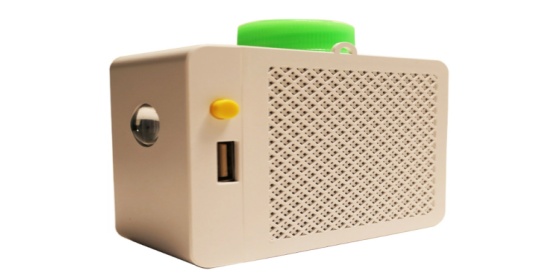
In today’s fast-paced world, reliable emergency lighting is crucial. Whether for natural disasters, power outages, or outdoor adventures, having a dependable source of light in an emergency can make all the difference. Traditional LED torches powered by batteries have long been the go-to solution for many, but as sustainability becomes a priority, a new technology is gaining traction—salt water flashlights. These flashlights, powered by salt water, offer a more eco-friendly and sustainable alternative to traditional battery-operated models. But which is truly the better option for emergency lighting? In this article, we will explore the advantages and disadvantages of both salt water flashlights and traditional battery-powered LED torches, helping you make an informed decision on the right choice for your needs.
Understanding the Technology: How Salt Water Flashlights Work
Salt water flashlights operate on an innovative principle that utilizes the chemical reaction between salt water and a magnesium anode to produce electricity. Unlike traditional flashlights that rely on non-rechargeable or rechargeable batteries, salt water flashlights harness the power of salt water to generate a flow of current. The basic components of a salt water flashlight include a magnesium anode, a carbon cathode, and a compartment to hold the salt water.
How Does Salt Water Power a Flashlight?
When salt water is introduced into the flashlight, a chemical reaction takes place between the magnesium and the salt, producing electrons that create an electrical current. This current powers the flashlight's LED bulb, providing light for hours. The salt water used in these devices is not only easily accessible but also non-toxic and environmentally friendly, offering a sustainable alternative to traditional battery-powered lights.
Traditional Battery-Powered Flashlights: The Conventional Choice
Traditional flashlights are powered by either disposable batteries or rechargeable batteries, such as alkaline, lithium-ion, or nickel-cadmium. These LED torches are widely used for a variety of purposes, from household emergency kits to camping trips. The mechanism behind these flashlights is simple: a battery provides energy to the bulb, which then emits light. However, traditional battery-operated LED torches come with their own set of challenges and drawbacks.
Drawbacks of Traditional Batteries in Emergency Lighting
One of the major drawbacks of traditional batteries is their limited lifespan. Batteries lose their charge over time, and in the event of an emergency, there’s always the risk of running out of power, especially if the flashlight hasn’t been regularly maintained. Additionally, used batteries can be harmful to the environment when disposed of improperly, contributing to pollution and waste.
Comparing Salt Water Flashlights and Traditional LED Torches
The primary difference between salt water flashlights and traditional LED torches lies in their power source and sustainability. Below, we’ll take a closer look at several factors to help you determine which type of flashlight is best suited for emergency lighting.
Feature | Salt Water Flashlight | Traditional LED Torch |
Power Source | Salt Water (Eco-Friendly) | Disposable or Rechargeable Batteries |
Environmental Impact | Non-Toxic, Sustainable | Potentially Harmful (Batteries) |
Battery Life | Unlimited (Refillable with Salt Water) | Limited (Depends on Battery Type) |
Ease of Use | Simple Setup, Easy to Refill | Simple, But Needs Battery Replacement |
Maintenance | Low (Requires Only Salt Water) | Requires Battery Charging/Replacement |
Cost | Low Operating Cost (Refillable) | Ongoing Costs for Battery Replacement |
Storage | Does Not Require Special Storage | Requires Safe Battery Storage |
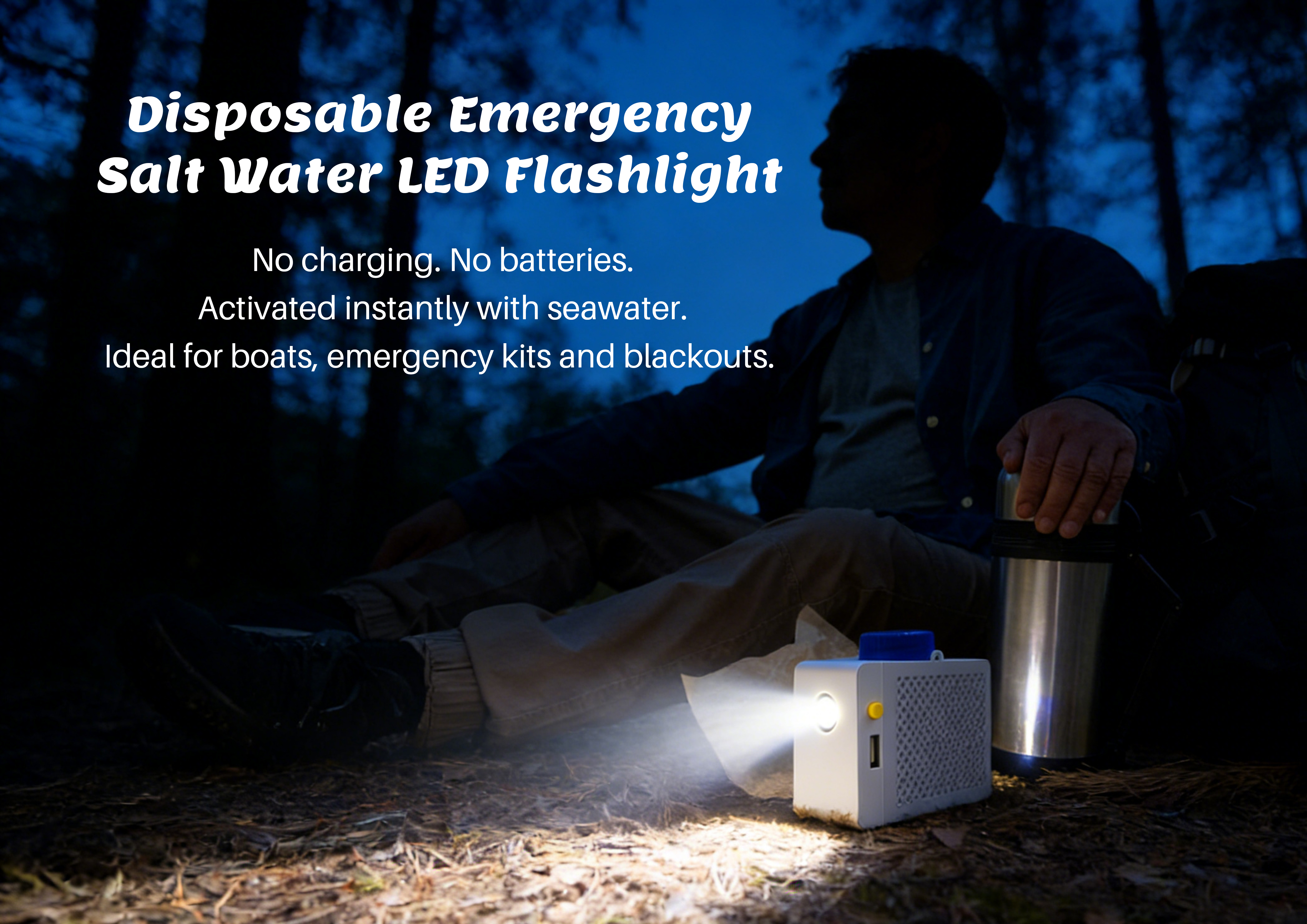
Advantages of Salt Water Flashlights in Emergency Lighting
In emergency situations, having a reliable and sustainable light source can make all the difference. While traditional LED torches have long been a staple in emergency preparedness, salt water flashlights are quickly gaining popularity due to their eco-friendly nature and long-term cost savings. Here, we’ll explore in greater detail the key advantages of using salt water flashlights for emergency lighting.
1. Sustainability and Eco-Friendliness
One of the biggest advantages of salt water flashlights is their sustainability. Traditional batteries used in standard flashlights often contain harmful chemicals, and when disposed of improperly, they can contribute significantly to environmental pollution. Batteries need to be replaced after a certain period, which adds to waste and environmental harm. In contrast, salt water flashlights offer an environmentally friendly alternative. These devices are powered by a simple chemical reaction between salt and water, eliminating the need for toxic batteries.
2. Unlimited Power Supply
Another key advantage of salt water flashlights is their unlimited power supply. Unlike traditional flashlights that rely on batteries with a finite lifespan, salt water flashlights provide a consistent power source as long as the user has access to salt and water. This makes them a reliable light source in emergency situations, especially during power outages, outdoor adventures, or when rechargeable batteries are not an option.
3. Cost-Effective
When it comes to cost-effectiveness, salt water flashlights clearly stand out from traditional battery-powered flashlights. The cost of buying batteries for regular flashlights can add up quickly, especially when using them for extended periods. The price of high-quality batteries, especially rechargeable ones, can be quite expensive, and in emergency situations, you may need to replace them more frequently than expected. This means the long-term cost of maintaining a traditional flashlight can be quite high.
4. Ease of Use and Maintenance
In addition to their sustainability, power supply, and cost-effectiveness, salt water flashlights are incredibly easy to use and maintain. The simple refill process requires nothing more than water and salt, which are accessible and simple to handle. No complicated charging procedures or battery replacements are necessary, making them user-friendly for individuals of all ages, including those who may struggle with handling or replacing small battery compartments.
5. Reliability in Extreme Conditions
Salt water flashlights are also reliable in extreme environmental conditions. Whether used in humid, wet environments like rainy weather, near bodies of water, or exposed to temperature fluctuations, salt water flashlights continue to work efficiently. Unlike traditional battery-powered flashlights, which can malfunction or fail when batteries are exposed to moisture or extreme temperatures, salt water flashlights are designed to withstand harsh conditions.
For instance, during outdoor activities like fishing, camping, or boating, where exposure to water and humidity is frequent, salt water flashlights are far more suitable because they remain operational even in wet conditions. In industrial or construction environments, where dust, heat, and moisture can impact the functionality of traditional flashlights, salt water flashlights continue to shine bright.
Advantages of Traditional LED Torches in Emergency Lighting
While salt water flashlights offer several benefits, traditional LED torches remain a popular choice due to their familiarity and convenience. Below are some advantages of traditional flashlights that may still make them the preferred option for certain users:
1. Widely Available and Familiar
Traditional LED torches are widely available in stores and are often considered the standard for emergency lighting. Most people are familiar with how they work, and they are often available in a variety of sizes and brightness levels. They can be easily found in hardware stores or online, making them a convenient option for most individuals.
2. Reliable Performance
When properly maintained, battery-powered flashlights offer reliable performance for short-term use. With the right type of batteries, these torches can provide high-intensity light for several hours, making them suitable for immediate emergency situations.
3. Variety of Options
Traditional LED torches come in a wide range of styles, features, and power options. Whether you're looking for something small and portable or a larger flashlight with more brightness, traditional flashlights offer a variety of choices to suit your specific needs.
Why Choose www.chredsun.com for Your Emergency Lighting Needs?
At www.chredsun.com, we specialize in providing high-quality LED torches and salt water flashlights designed to meet the demands of modern emergency lighting. Whether you are looking for eco-friendly alternatives or the reliability of traditional battery-powered lights, we have the right solution for your needs. Our salt water flashlights are easy to use, cost-effective, and environmentally friendly, making them the ideal choice for long-term use.
By choosing Chredsun, you can be confident in the quality and performance of your emergency lighting. Contact us today for more information on our products and how we can help you ensure that your emergency lighting solutions are reliable, sustainable, and ready to perform when you need them most.
FAQ
What is the main advantage of a salt water flashlight over traditional LED torches?
Salt water flashlights provide an eco-friendly, cost-effective, and sustainable solution, as they can be refilled with salt and water, whereas traditional flashlights require battery replacements.
How long can a salt water flashlight last?
A salt water flashlight can last indefinitely with refills of salt and water, making it a more durable and long-term lighting solution compared to traditional batteries.
Are salt water flashlights safe to use?
Yes, salt water flashlights are safe to use. They are non-toxic, and the materials required to power them are easily available and harmless to the environment.
Can I use salt water flashlights for outdoor activities?
Absolutely! Salt water flashlights are perfect for outdoor activities like camping, hiking, and fishing, as they provide a reliable light source without the need for disposable batteries.

 English
 العربية
 Français
 Русский
 Español
 Português
 Deutsch
 italiano
 日本語
日本語 한국어
한국어 Nederlands
 Tiếng Việt
 ไทย
ไทย Polski
 Türkçe
 አማርኛ
አማርኛ ພາສາລາວ
 ភាសាខ្មែរ
 Bahasa Melayu
 ဗမာစာ
ဗမာစာ தமிழ்
தமிழ் Filipino
 Bahasa Indonesia
 magyar
 Română
 Čeština
 Монгол
 қазақ
қазақ Српски
 हिन्दी
 فارسی
فارسی Kiswahili
 Slovenčina
 Slovenščina
 Norsk
Norsk Svenska
 українська
 Ελληνικά
 Suomi
Suomi Հայերեն
 עברית
עברית اردو
اردو Afrikaans
 Gaeilge
 नेपाली
 Aymara
 Беларуская мова
 guarani
 Krio we dɛn kɔl Krio
 Runasimi
 Wikang Tagalog


