Introduction
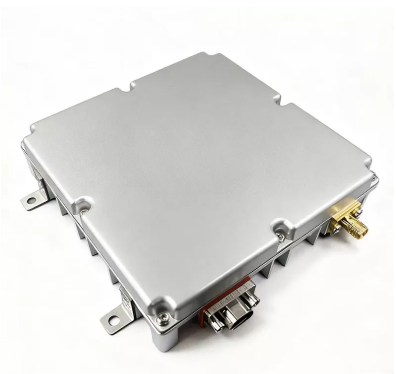
Anti-jamming antennas are crucial in protecting GNSS systems from interference. As our reliance on GNSS for navigation and timing grows, so does the threat of jamming.
This article will explore how anti-jamming antennas function, their role in modern systems, and why they are essential for industries like defense, transportation, and infrastructure.You will learn how these antennas ensure continuous, reliable performance in critical applications, preventing costly disruptions.
What Is an Anti-Jamming Antenna? Definition and Function
Basic Concept of Anti-Jamming Antennas
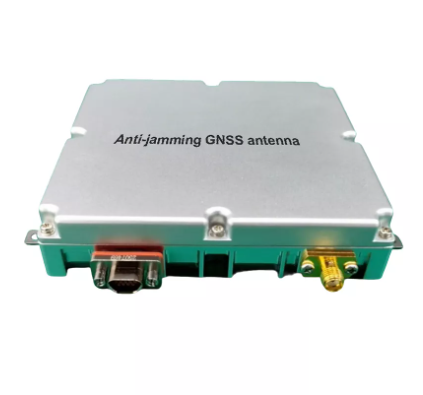
An anti-jamming antenna is a specialized device designed to safeguard GNSS receivers from interference, or jamming, ensuring continuous and accurate signal reception. These antennas work by detecting unwanted interference and suppressing or neutralizing it, allowing legitimate signals to pass through without disruption. Jamming can come in various forms—intentional or unintentional—and disrupt critical systems like navigation in aircraft, autonomous vehicles, and military operations. These antennas are engineered to detect and neutralize interference, providing a reliable alternative for positioning, navigation, and timing (PNT) services, which are vital in many industries.
What Is Jamming and How Does It Affect GNSS Signals?
Jamming occurs when a malicious signal is intentionally transmitted to disrupt or block GNSS signals, which are typically weak as they travel from satellites to Earth. Since GNSS signals are already weak by the time they reach ground-based receivers, jamming signals can easily overpower them, causing receivers to lose track of their position, timing, or navigation capabilities. This makes systems vulnerable to failures in sectors where accuracy is paramount. Anti-jamming antennas mitigate this problem by isolating the valid GNSS signals and suppressing the interference from other sources, ensuring that the positioning and timing data remains intact.
Real-World Impact of Jamming on Critical Systems
The consequences of jamming can be severe, and its impact stretches across multiple industries. In military operations, for example, GPS jamming could incapacitate entire fleets or ground operations, leading to mission failure and potentially compromising national security. In commercial sectors, autonomous vehicles—such as drones and self-driving cars—rely heavily on GNSS signals for navigation. If these signals are jammed, it could lead to accidents, loss of control, or an inability to reach the intended destination. Critical infrastructure sectors, such as telecommunications and power grids, also depend on GNSS for timing synchronization. Disruptions in these sectors could lead to widespread operational failures, compromising both safety and productivity.
How Do Anti-Jamming Antennas Protect GNSS Signals?
Reception of GNSS Signals and Mitigation of Interference
GNSS signals are naturally weak and can be easily overpowered by jamming signals. Anti-jamming antennas are designed to amplify legitimate GNSS signals while rejecting or filtering out jamming signals. These systems employ various techniques to boost the reception of the desired signal and ensure continuous, accurate positioning and timing. The key to their success lies in their ability to identify and mitigate interference, allowing users to rely on accurate and secure navigation data, even in challenging environments.
Key Anti-Jamming Technologies: Beamforming and Null Steering
Beamforming: This technology allows the antenna to focus its reception pattern towards legitimate signals, effectively blocking interference from other directions. By shaping the antenna's response, beamforming enhances the strength of desired signals while minimizing the impact of jamming. It helps ensure that only the strongest and most accurate GNSS signals are received, which is especially important in environments with competing signals or high interference levels.
Null Steering: A technique that creates "nulls" or areas of reduced sensitivity in the antenna's reception pattern. By directing these nulls towards the source of interference, null steering ensures that jamming signals do not overpower the GNSS signals. This allows the antenna to maintain its connection to valid signals, even when faced with high levels of interference from external sources. Null steering is an effective method for isolating interference, ensuring uninterrupted service.
Advanced Signal Processing in Anti-Jamming Systems
Modern anti-jamming systems incorporate sophisticated signal processing techniques. Algorithms analyze incoming signals and detect patterns of interference, allowing the system to dynamically adjust its reception to enhance GNSS signal quality. The use of adaptive filtering allows the antenna to differentiate between legitimate signals and jamming signals in real-time, ensuring that only valid data is processed. CRPA antennas (Controlled Reception Pattern Antennas) are a great example of this, using multi-element antenna arrays and advanced signal processing to reject interference while maintaining the reception of valid GNSS signals.
Different Types of Anti-Jamming Antennas
CRPA Antennas: High-Performance Anti-Jamming Solutions
CRPA antennas are among the most advanced anti-jamming technologies available. They use a multi-element array of antennas, each of which can be independently controlled to form a reception pattern that focuses on legitimate GNSS signals. This technology is particularly effective in environments with high levels of interference, such as military applications or dense urban areas where signal disruption is more common. CRPAs help to counter complex jamming methods by steering the antenna's reception pattern away from the interference, allowing it to maintain connectivity with GNSS satellites.
FRPA Antennas: Simple but Vulnerable to Jamming
An FRPA antenna is a type of passive or active antenna designed to receive signals, most commonly from GNSS systems like GPS. Unlike dynamic anti-jamming antennas, FRPAs have a fixed, omnidirectional radiation pattern, meaning they offer consistent, wide coverage. These antennas are relatively simple and robust, making them a cost-effective choice for applications where a constant reception pattern is adequate. However, their fixed reception pattern makes them more vulnerable to jamming compared to more advanced active systems, such as CRPAs, that can adapt their reception to avoid interference. Despite this limitation, FRPAs remain useful in environments with lower interference or where budget constraints are a consideration.
Comparison of Different Anti-Jamming Antennas
| Antenna Type | Description | Advantages | Disadvantages | Ideal Use Case |
| CRPA Antennas | Controlled Reception Pattern Antennas, use multi-element arrays for signal control | High-performance, adaptable to complex environments, rejects multi-directional interference | Expensive, requires advanced signal processing | Military operations, urban environments, high-interference zones |
| FRPA Antennas | Fixed Radiation Pattern Antennas, omnidirectional pattern | Simple, robust, cost-effective, ideal for static environments | Vulnerable to jamming, fixed pattern reduces flexibility | Low-interference areas, budget-constrained applications |
Key Features of Anti-Jamming Antennas
Handling Multiple Jamming Sources Simultaneously
One of the standout features of anti-jamming antennas is their ability to handle multiple jamming sources simultaneously. As the threat of interference continues to evolve, anti-jamming antennas are designed to ensure that the GNSS receiver remains operational even in environments with several jamming signals. This is especially important in complex environments, such as urban areas or military zones, where multiple interference sources can occur at the same time.
Compact and Lightweight Design for Easy Integration
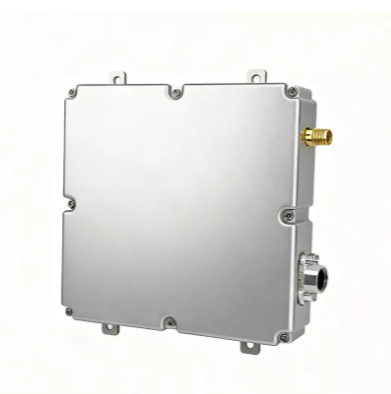
Many modern anti-jamming antennas are designed with a compact form factor, making them suitable for integration into various platforms, such as UAVs, drones, and small vehicles. These antennas are optimized to provide high performance without adding significant weight or power requirements to the platform. This makes them ideal for use in mobile systems, where size and weight are critical factors, and ensures that the performance of the overall system is not compromised by the anti-jamming technology.
Durability in Harsh Environments
Given their use in mission-critical applications, anti-jamming antennas are built to withstand extreme environmental conditions. These systems often feature high IP ratings for ingress protection (IP65, for example), ensuring reliable operation in harsh conditions such as extreme temperatures, humidity, and dust. Additionally, these antennas are designed for long operational lifespans with high Mean Time Between Failures (MTBF), ensuring their continued functionality in demanding environments.
| Feature | Description | Impact on Performance |
| Multi-Source Jamming Suppression | Ability to handle interference from multiple jamming sources simultaneously | Ensures GNSS receivers stay operational even with multiple interferences |
| Compact and Lightweight Design | Designed to be small and efficient for integration into various platforms, like drones | Ideal for mobile systems where size, weight, and power are constrained |
| High Durability and Environmental Resistance | Built to withstand extreme environments (e.g., temperature, dust, humidity) | Ensures reliable operation in harsh conditions, improving system longevity |
Applications and Benefits of Anti-Jamming Antennas
Military and Defense: Ensuring Operational Continuity
In military environments, where the integrity of GNSS signals is paramount, anti-jamming antennas play a crucial role. These antennas ensure that military assets, such as UAVs, ground vehicles, and aircraft, can operate effectively even in contested environments where jamming is prevalent. By providing uninterrupted signal reception, anti-jamming antennas help ensure mission success and operational continuity, which is essential in defense and security operations.
Commercial and Civilian Use: Reliable Navigation for Autonomous Systems
Anti-jamming antennas are also increasingly used in commercial applications. For instance, in the rapidly growing drone industry, these antennas ensure that autonomous systems, such as drones and self-driving cars, can continue to operate safely and accurately even in urban areas where GPS interference is common. Additionally, critical infrastructure sectors like telecommunications, energy, and transportation rely on GNSS for synchronization and timing, making anti-jamming technologies crucial for these industries.
Public Safety: Securing Emergency Services
For public safety applications, GNSS systems are vital for accurate positioning and timing. Emergency services, such as ambulance and fire truck fleets, use GNSS to navigate to critical locations. Anti-jamming antennas ensure that these services can continue to operate smoothly, even in areas with high interference, preventing disruptions to essential services and ensuring the safety of personnel and the public.
The Future of Anti-Jamming Antenna Technology
Advancements in Signal Processing and AI
The future of anti-jamming antenna technology looks promising, with ongoing advancements in signal processing, artificial intelligence (AI), and adaptive systems. These innovations are enhancing the performance and resilience of anti-jamming antennas, enabling them to provide even more reliable protection in increasingly complex environments. The integration of AI will allow systems to better identify and adapt to emerging jamming techniques, ensuring long-term reliability.
Integration with Other Security Systems
As the threat landscape continues to evolve, anti-jamming antennas are increasingly being integrated into broader GNSS security solutions. Combining these antennas with other technologies, such as spoofing detection and INS, provides a multi-layered approach to securing critical systems and ensuring the uninterrupted operation of GNSS-based applications. This approach offers better protection and helps safeguard against more sophisticated threats.
Conclusion
Anti-jamming antennas are critical for protecting the integrity of GNSS-based systems. They ensure reliable navigation and timing across military, commercial, and public safety sectors. With the growing reliance on GNSS services, these technologies play a vital role in securing satellite navigation's future. By implementing advanced anti-jamming solutions, industries can safeguard their operations from interference, ensuring smooth and uninterrupted performance.
For companies seeking effective anti-jamming solutions, RedSun (HK) Group Limited offers a range of high-performance products designed to enhance system reliability and mitigate signal disruptions.
FAQ
Q: What is an anti-jamming antenna?
A: An anti-jamming antenna is designed to protect GNSS receivers from interference, ensuring reliable signal reception. It detects and neutralizes jamming signals, providing stable navigation and timing.
Q: How does a GNSS anti-jamming antenna work?
A: A GNSS anti-jamming antenna uses technologies like beamforming and null steering to filter out interference while enhancing legitimate GNSS signals, ensuring uninterrupted signal reception.
Q: Why is a GPS anti-jamming antenna important?
A: GPS anti-jamming antennas are crucial in preventing signal disruptions that can affect navigation accuracy, particularly in military, aviation, and autonomous systems where precise positioning is vital.
Q: What is the difference between a CRPA antenna and other anti-jamming antennas?
A: A CRPA antenna (Controlled Reception Pattern Antenna) uses a multi-element array to create adjustable reception patterns, making it more effective in rejecting complex jamming compared to standard anti-jamming antennas.
Q: How can an anti-jamming antenna improve system reliability?
A: By mitigating jamming signals, an anti-jamming antenna ensures that GNSS systems continue to function smoothly, improving the reliability and accuracy of navigation, especially in environments with high interference.

 English
 العربية
 Français
 Русский
 Español
 Português
 Deutsch
 italiano
 日本語
日本語 한국어
한국어 Nederlands
 Tiếng Việt
 ไทย
ไทย Polski
 Türkçe
 አማርኛ
አማርኛ ພາສາລາວ
 ភាសាខ្មែរ
 Bahasa Melayu
 ဗမာစာ
ဗမာစာ தமிழ்
தமிழ் Filipino
 Bahasa Indonesia
 magyar
 Română
 Čeština
 Монгол
 қазақ
қазақ Српски
 हिन्दी
 فارسی
فارسی Kiswahili
 Slovenčina
 Slovenščina
 Norsk
Norsk Svenska
 українська
 Ελληνικά
 Suomi
Suomi Հայերեն
 עברית
עברית اردو
اردو Afrikaans
 Gaeilge
 नेपाली
 Aymara
 Беларуская мова
 guarani
 Krio we dɛn kɔl Krio
 Runasimi
 Wikang Tagalog


